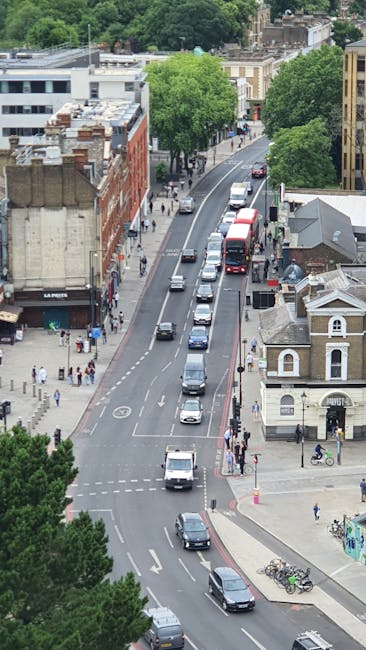
Traffic Restrictions on Old Brompton Road Affecting Moves
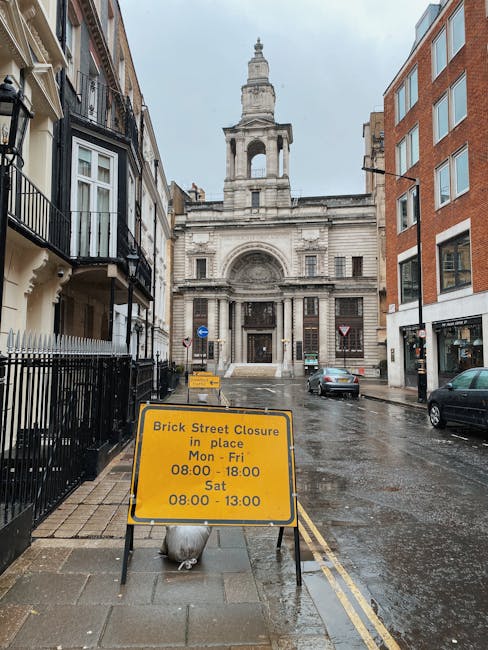
If you are planning a move in or around Kensington and Chelsea, the phrase Traffic Restrictions on Old Brompton Road Affecting Moves can quickly turn from a small detail into the thing that makes or breaks the day. One blocked lane, a timed access window, a low-emission route constraint, or a sudden loading issue can throw off a perfectly good schedule. And let's face it, moving is already busy enough without your van sitting in traffic while everyone is checking the clock.
This guide breaks down what those restrictions mean in practical terms, why they matter for home and office removals, and how to plan around them without making the day feel like a military operation. You will also find a step-by-step approach, common mistakes, a useful checklist, and a realistic look at which moving options tend to work best on a road like Old Brompton Road.
Why Traffic Restrictions on Old Brompton Road Affecting Moves Matters
Old Brompton Road is one of those London streets where movement looks simple on a map and then becomes a different story once a removal vehicle arrives. Traffic restrictions can affect almost every part of a move: arrival time, loading access, parking, vehicle choice, and the total number of trips required. Even a short distance can become awkward if the road is busy, access is limited, or stopping space is tight.
For a home move, the main issue is usually timing. If the crew cannot stop close to the property, you may end up carrying boxes and furniture further than expected. That sounds minor until you are holding a wardrobe flat-pack, a sofa cushion, and a key that has gone mysteriously missing. For an office move, the stakes can be higher because staff availability, building access, and business downtime all depend on a clean handover.
Restrictions also matter because removals are rarely just about transport. They are about coordination. A vehicle that is too large for the road, or a loading plan that ignores local traffic patterns, can create delays that ripple through the whole day. In our experience, the jobs that go smoothly are usually the ones where someone took the time to think about the street, not just the destination.
There is another reason this topic matters: customer expectations. Many people assume a move is mostly about lifting and driving. On roads like Old Brompton Road, the logistics around access can be just as important as the move itself. Get that part wrong and the day feels rushed, stressful, and oddly expensive even if the quote looked fine at the start.
Practical takeaway: if your move touches Old Brompton Road, plan for access first and volume second. That one shift in thinking can save you a surprising amount of time.
How Traffic Restrictions on Old Brompton Road Affecting Moves Works
There is no single rule that covers every move on Old Brompton Road, because restrictions can vary by time of day, road layout, loading conditions, and the exact stretch of street you are using. So the process is less about memorising one rule and more about checking the practical details that affect your particular move.
What usually changes the moving plan
- Loading and unloading access: You may need to stop in a specific bay or use a short stay window.
- Vehicle size: A larger removal truck may be less convenient than a smaller van if the street is tight or stopping space is limited.
- Timing: Busy commuting periods can make even short stops awkward.
- Building access: Flats, managed buildings, and office properties may have separate rules for service lifts, entry times, or concierge booking.
- Trip planning: If the vehicle cannot wait nearby, the team may need to do more than one run.
That is why a small move can still need careful planning. A single mattress and two boxes might sound easy, yet if the van cannot pause where it should, the process becomes a little chain of hand-carrying, repositioning, and waiting. Not dramatic, just annoying. And annoying is enough on moving day.
For many movers, the smartest approach is to match the service to the road conditions. A flexible man and van setup can work well for lighter loads or quicker urban access, while bigger moves may need a larger vehicle or even a full removal team with a proper loading plan. If your move is household-based, home moves and house removalists services are often better suited to coordinating the slower, more careful side of the job.
How the day usually unfolds
- The move is assessed against the road conditions and access points.
- The vehicle size and arrival time are chosen to fit the route and the property.
- Packing, lifting, and loading are planned so the team can work quickly once on site.
- Furniture and boxes are moved from door to vehicle with minimal waiting around.
- If needed, the route and unloading order are adjusted to reduce delays at the other end.
That might sound straightforward, but the detail matters. If your furniture is bulky or your loading point is awkward, a team may also recommend packing and unpacking services so the whole job becomes more efficient. Packed properly, items move faster. Packed badly, they do not. Simple as that.
Key Benefits and Practical Advantages
Traffic restrictions are usually seen as a nuisance, but careful planning around them can actually give you some real advantages. The benefit is not the restriction itself. It is the control you gain when you plan around it properly.
1. Fewer delays on the day
When the move is scheduled with road conditions in mind, you reduce the chances of drivers circling the block, waiting for space, or arriving at the wrong moment. That helps keep the day moving, which is really the whole point.
2. Less physical strain
If the van can stop near the property, your team does less carrying. That matters for heavy wardrobes, awkward desks, mirrors, and white goods. It also lowers the risk of bumps and knocks. Nobody wants to drag a sofa down a narrow pavement while balancing a lamp, especially in a light drizzle. London does love a light drizzle.
3. Better protection for furniture and property
A smoother loading process usually means fewer rushed turns, less squeezing through tight spaces, and more control over what is being lifted. That protects walls, banisters, door frames, and the furniture itself.
4. Smarter cost control
Delays can add labour time and stress. A well-matched moving plan can avoid paying for wasted waiting, extra trips, or last-minute vehicle changes. For larger jobs, the right vehicle choice matters a lot, which is where options like removal truck hire or a moving truck can be more efficient than improvising on the day.
5. Better experience for tenants, owners, and building managers
If you are moving from a managed property or a commercial building, a calm, organised approach is simply easier for everyone. Building staff notice the difference. So do neighbours. And truth be told, a courteous move tends to go more smoothly than a chaotic one.
Who This Is For and When It Makes Sense
This topic matters to a wide range of people, but it is especially relevant if your move involves a street-facing property, a tight parking arrangement, or a fixed moving window. The more awkward the access, the more important the plan.
Home movers
If you are moving from a flat, maisonette, townhouse, or rented property, traffic restrictions can affect how long it takes to get furniture to the vehicle. This is where experienced home moves support can make a noticeable difference, particularly when the move includes stairs, a shared entrance, or limited roadside stopping space.
Families moving with bulky items
Families often underestimate how many large items have to be handled at once. Beds, pushchairs, desks, toys, and kitchen boxes all add up quickly. If the road access is constrained, a smaller van or staged loading plan may actually be easier than trying to do everything in one giant push.
Businesses and office teams
Office relocations on or near Old Brompton Road often need to fit around staff availability, service hours, and building rules. That is where office relocation services become especially useful, because the move has to happen without turning the workday upside down. Commercial clients may also need commercial moves support if stock, displays, or equipment are part of the job.
People moving a few key items only
Not every move is a full house or office relocation. Sometimes it is a sofa, a bed frame, or a few pieces that need collecting. In those cases, furniture pick-up or a smaller man with van arrangement may be the most sensible fit, especially where the road access makes larger vehicles awkward.
When it makes the most sense
- When your property is on a busy or narrow stretch of road
- When you need timed loading or unloading
- When the move involves heavy or awkward furniture
- When multiple trips may be easier than one oversized load
- When building access is controlled or limited
Step-by-Step Guidance
If you want to avoid headaches, work through the move in the same order the road will demand it. That sounds obvious, but people often jump straight to packing tape and boxes without checking the practical access details first.
Step 1: Confirm the exact pickup and delivery points
Do not just say "Old Brompton Road" and leave it there. Pin down which side of the road, which entrance, and whether the vehicle can stop close enough to keep carrying distances short. Small location details matter more than people think.
Step 2: Check the type of move
Ask whether this is a full household move, an office relocation, a furniture collection, or a few-item transport job. The wrong service type can create unnecessary friction. A small pickup may be perfect for a smaller van, while a full-property move may need more space and more hands.
Step 3: Match the vehicle to the road
Some moves are easier with a compact van. Others need a larger load space. If the road is tight, a more manageable vehicle can save time and reduce stress. For bigger loads, a removal truck hire option may be more suitable, but only if access and stopping conditions allow it.
Step 4: Pack for fast handling
Keep boxes labelled, seal them properly, and place heavier items in the right cartons. Use blankets, covers, and straps where needed. If there is a lot of detailed packing left to do, packing and unpacking services can save time and reduce damage risk.
Step 5: Build a realistic time buffer
Traffic on London roads can be plain unpredictable. Add breathing room. If you think the job will take two hours, be honest and plan for two and a half. You may not need the extra time, but if you do, it will feel like a lifesaver.
Step 6: Prepare the access route inside the property
Hallways clear? Stairwell clear? Lift booked? Items ready to go? Good. The inside route is just as important as the road outside. A perfectly parked van helps little if the front hall is full of bin bags and the kettle is still boiling somewhere in the kitchen.
Step 7: Confirm arrival and handover details
Make sure everyone knows who is meeting the crew, where keys are, and what must be loaded first. For business moves, confirm which items are essential for reopening quickly. That one conversation can prevent a surprisingly awkward delay later.
Expert Tips for Better Results
Here is the part that tends to separate the smooth moves from the messy ones.
- Plan the loading order before the team arrives. Put first-day essentials near the exit and non-essentials deeper in the pile.
- Use smaller boxes for heavy items. A box of books should not feel like a gym challenge. Keep it sensible.
- Keep one person in charge. Too many instructions from too many people slows things down. One point of contact keeps everyone sane.
- Take photos of large items before transport. This helps with checking condition and identifying any pre-existing marks.
- Protect floors and door frames. Especially in older buildings. A bit of care goes a long way.
- Choose the right move size for the route. Sometimes a slightly smaller vehicle is the smarter choice, even if it means an extra load. Less drama, more progress.
One useful rule of thumb: if the access looks tight when you visit in daylight, assume it will feel tighter with a vehicle, a trolley, and a bit of time pressure. That is usually how it goes.
Expert summary: On restricted roads, the best move plan is usually the one that reduces waiting, shortens carrying distance, and keeps the load simple. Bigger is not always better. Convenient is better.
Common Mistakes to Avoid
Most moving problems on roads like Old Brompton Road are preventable. They usually come from assumptions. The dangerous little habit of thinking, "It will probably be fine." Sometimes it is. Often it isn't.
1. Assuming any van will do
A large vehicle is not automatically the best one. In a tight urban setting, a smaller and more agile option may actually complete the job faster.
2. Ignoring loading restrictions or waiting rules
If a vehicle cannot stop where you expected, the entire move slows down. Always check where loading can happen and how long the vehicle can remain there.
3. Packing too late
Last-minute packing leads to messy boxes, broken handles, and missing essentials. It also wastes time while the crew waits. Not ideal.
4. Forgetting building permissions
Managed flats and offices often require notice, lift booking, or access coordination. If you miss that step, you can end up standing in a lobby with a trolley and a polite-but-firm receptionist. Nobody wants that.
5. Underestimating the walking distance
If the vehicle has to park further away than expected, your carrying time increases. Heavy items become much more awkward. This is where planning really pays off.
6. Not separating essentials
Documents, chargers, medication, keys, and one bag of daily items should travel with you. Keep them accessible. You do not want to be hunting through twelve boxes for a phone charger at 9 p.m.
Tools, Resources and Recommendations
You do not need complicated tools to manage a move on a restricted road, but a few practical basics help a lot.
Useful moving tools
- Boxes of mixed sizes: smaller boxes for heavy items, larger ones for lightweight bedding and soft goods
- Packing tape and labels: simple, boring, essential
- Furniture covers and blankets: helpful for protecting fabric, wood, and corners
- Straps and ties: good for keeping loads secure in transit
- Step trolley or sack truck: useful for heavier items where access allows
Service options worth considering
If your move is straightforward and access is manageable, a man and van service may be enough. For larger, more structured moves, a moving truck or full removal vehicle may be more appropriate. If the job is commercial, a service tailored to commercial moves will usually better fit the timing, packing, and handling needs of the business.
For customers who just need a single item or a small group of items collected, a simple pickup service can be easier to manage than a larger relocation. Sometimes the best solution is the one that keeps the process calm, not the one that sounds grandest on paper.
Useful non-technical habit
Write down the move-day sequence in plain English. Who opens the property? Who supervises loading? Who signs off at the destination? It sounds almost too simple, but it helps. People forget small things when there is a sofa in the hallway.
Law, Compliance, Standards, or Best Practice
Because this topic involves road access, parking, and vehicle movement in London, a careful, compliant approach matters. While rules can vary and should always be checked for the exact location and date of the move, there are some sensible standards that apply in practice.
Best-practice principles
- Respect loading and parking controls: do not assume stopping is allowed just because space looks available.
- Plan for neighbours and pedestrians: keep pavements as clear as possible and avoid blocking entrances.
- Use appropriately sized vehicles: avoid overcommitting to a truck that cannot comfortably serve the street.
- Keep access safe: protect walkways, use warning awareness, and avoid leaving items where they could become trip hazards.
- Coordinate with building management: especially for flats, office premises, and shared access routes.
In the UK, moving companies and customers alike are expected to act responsibly around property, traffic, and safety. That means not making shortcuts that damage premises or obstruct the road. Simple courtesy is not just polite; it often prevents problems before they start.
If you are unsure how a restriction affects your move, ask early. It is far easier to adjust a schedule than to rescue a half-loaded van parked in the wrong place.
Options, Methods, or Comparison Table
Different move types suit different vehicle and service choices. The best option depends on volume, access, timing, and how much help you want on the day.
| Move option | Best for | Strengths | Limitations |
|---|---|---|---|
| Man and van | Smaller home moves, quick collections, lighter loads | Flexible, often easier for restricted roads, efficient for short-distance moves | Limited load space, may need multiple trips for bigger jobs |
| Man with van | Single-item or modest-sized moves | Simple to organise, practical for furniture and boxed items | Not ideal for full-property relocations |
| Moving truck | Larger removals, bulkier items, fuller houses | More capacity, fewer trips if access is suitable | Can be harder to position on tight streets |
| Removal truck hire | Structured moves needing more transport capacity | Useful for larger volumes and planned loading | May be less convenient where road restrictions are strict |
| Commercial moves | Businesses, stock, equipment, and office furniture | Better suited to business timing and handling needs | Requires strong coordination and access planning |
If you are unsure which route to take, start with access. That usually narrows the decision very quickly.
Case Study or Real-World Example
Here is a realistic scenario, the sort of thing that happens more often than people expect.
A small professional couple were moving from a third-floor flat near Old Brompton Road to another property across town. On paper, it looked simple: one sofa, two beds, boxes of kitchenware, and a few fragile items. The issue was not the volume. It was the street access. The building entrance was on a busy stretch, the vehicle could not wait long, and the loading area was tighter than they had imagined.
Instead of trying to force a large truck into a poor fit, they switched to a smaller vehicle and split the load into a clearer order: essentials first, furniture next, soft items last. They also packed the fragile pieces separately and kept an eye on the timing window for the handover. The move still took effort, naturally, but it stayed orderly. No last-minute panic. No awkward blocking of the pavement. Just a bit of patience and a better fit between the road and the move.
That is the lesson, really. A good move plan is not always the biggest one. Sometimes it is just the one that respects the street.
Practical Checklist
Use this checklist before moving day. A quick run-through can save a lot of faff later.
- Confirm the exact pickup and delivery addresses
- Check whether Old Brompton Road access affects stopping or loading
- Choose the vehicle size that fits the street, not just the load
- Book building access, lifts, or concierge support if needed
- Pack and label boxes clearly
- Set aside essentials for immediate use
- Protect furniture with covers or blankets
- Plan the order of loading and unloading
- Leave a realistic time buffer for traffic and access issues
- Keep one person responsible for on-the-day decisions
- Have keys, paperwork, and contact details ready
- Check that paths, stairwells, and entrances are clear
If you can tick most of those off, you are already in much better shape than the average mover. That alone is reassuring.
Conclusion
Traffic restrictions on Old Brompton Road do not need to derail your move, but they do demand a more careful approach. The road itself may only be one part of the journey, yet it can shape everything from your vehicle choice to your timing, walking distance, and total stress level. The best outcomes usually come from planning early, matching the service to the access conditions, and keeping the day as simple as possible.
If you remember just one thing, let it be this: the right moving plan is the one that fits the street you actually have, not the one you hoped you would have. That small shift in thinking makes a big difference.
Get a free quote today and see how much you can save.
Moving is never completely effortless, but with the right preparation it can still feel steady, calm, and manageable. And honestly, that is a pretty good win.
Frequently Asked Questions
Do traffic restrictions on Old Brompton Road always delay a move?
Not always. A move may still go smoothly if the vehicle is the right size, the timing is planned well, and loading access is organised in advance. The restrictions become a problem mainly when they are ignored or discovered too late.
What kind of moves are most affected by Old Brompton Road access?
Full house moves, office relocations, and any move involving large furniture are usually most affected. Smaller item collections can be easier to manage, but only if the stopping point is practical.
Is a man and van service enough for a move on a restricted road?
Often yes, especially for lighter loads or shorter moves. A man and van service can be a good fit where flexibility and easier positioning matter more than size.
When should I choose a larger vehicle instead?
If you have a lot of furniture, multiple rooms of boxes, or a business move with equipment, a larger vehicle may be better. Just make sure the road can realistically accommodate it.
How far in advance should I plan for traffic restrictions?
As early as possible. Even a few days can help, but more lead time gives you room to check access, choose the right service, and avoid unnecessary stress on move day.
Can packing help reduce the impact of restrictions?
Yes. Good packing speeds up loading and unloading, which matters when vehicle waiting time is limited. That is why packing and unpacking services can be more useful than people expect.
What if my building has its own access rules?
Then those rules need to be built into the move plan. Lift bookings, time slots, and entrance instructions should be confirmed before the day arrives.
Is a commercial move handled differently from a home move?
Usually yes. Commercial moves often need tighter scheduling, clearer responsibility for equipment, and less interruption to normal business activity. That is why commercial moves support is often the more suitable option.
What is the biggest mistake people make with restricted-road moves?
Assuming the access will sort itself out. It rarely does. The most common issues come from poor timing, the wrong vehicle choice, or forgetting to check the loading point.
Can I move just one item or a small number of items from Old Brompton Road?
Absolutely. A furniture pickup or smaller vehicle option can be ideal for that. If the item is bulky, it is worth confirming the access route so there are no awkward surprises.
Do I need removal truck hire for a large family move?
Not always, but it can be helpful if the load is substantial and the route allows it. A removal truck hire option is best considered alongside access, not just item volume.
How do I know which service is right for my move?
Start with three things: how much you are moving, how easy the access is, and whether the job needs special timing. If you are still unsure, use the service that gives you the most flexibility rather than the one that sounds biggest on paper. It is usually the better call.